

Types of Floss
Dental floss comes in a variety of colors, materials and even flavors. Waxed varieties slide through the teeth, allowing people with extremely tight spaces to floss more easily. Popular flavors of floss include wintergreen and cinnamon. Waxed floss does tend to fray more than unwaxed floss.

Dental Grafts
Soft tissue grafts are sometimes performed to treat gum disease, or correct other abnormalities. The procedure involves taking gum tissue from the palate or another donor source to cover an exposed root in order to even the gum line and reduce sensitivity.
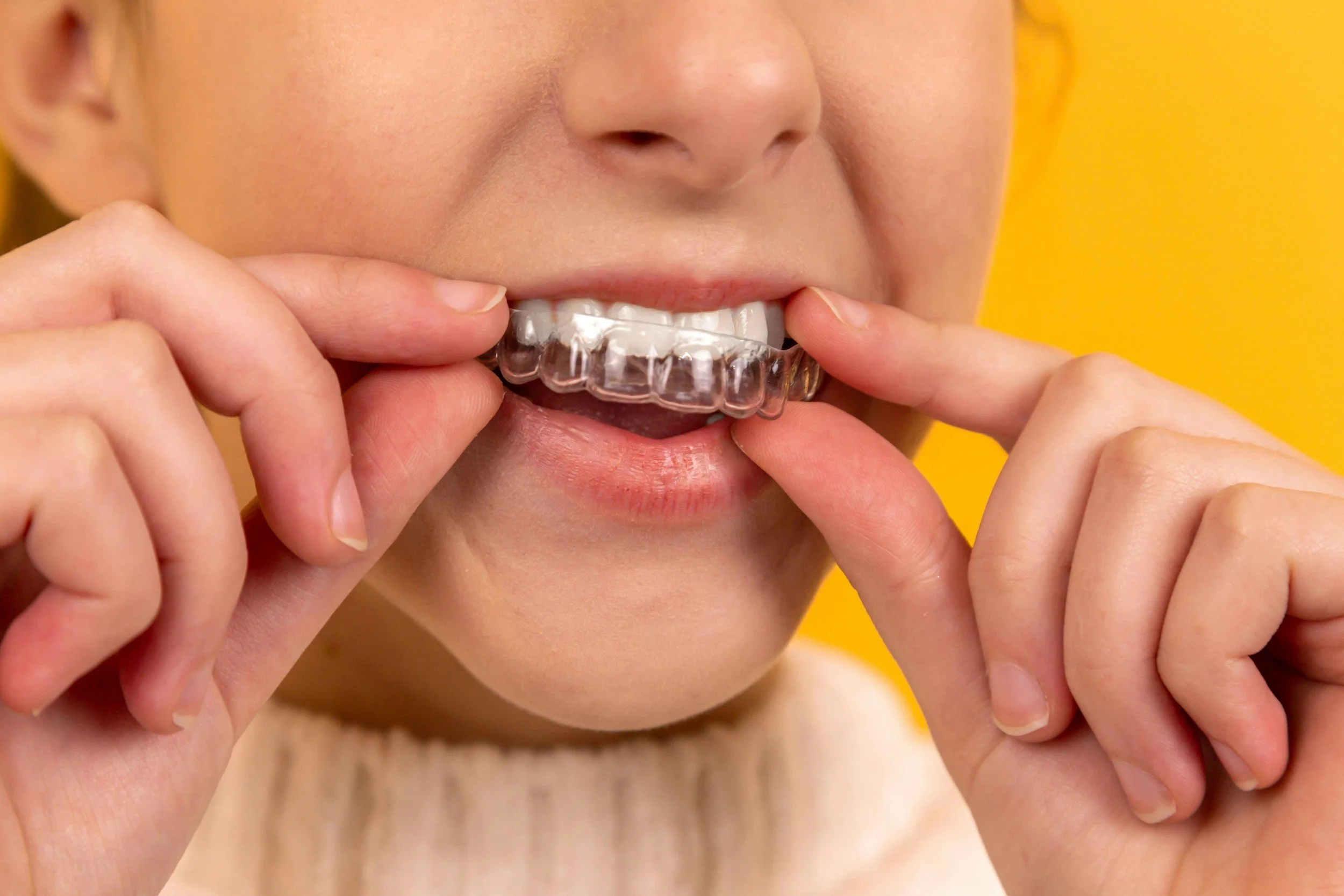
Invisalign®
Invisalign's® invisible, removable, and comfortable aligners will give you the beautiful straight teeth you've always wanted. And best of all, no one can tell you're wearing them. Invisalign® is great for adults and teenagers. What is Invisalign®? Invisalign® is the invisible way to straighten your teeth.
Implants
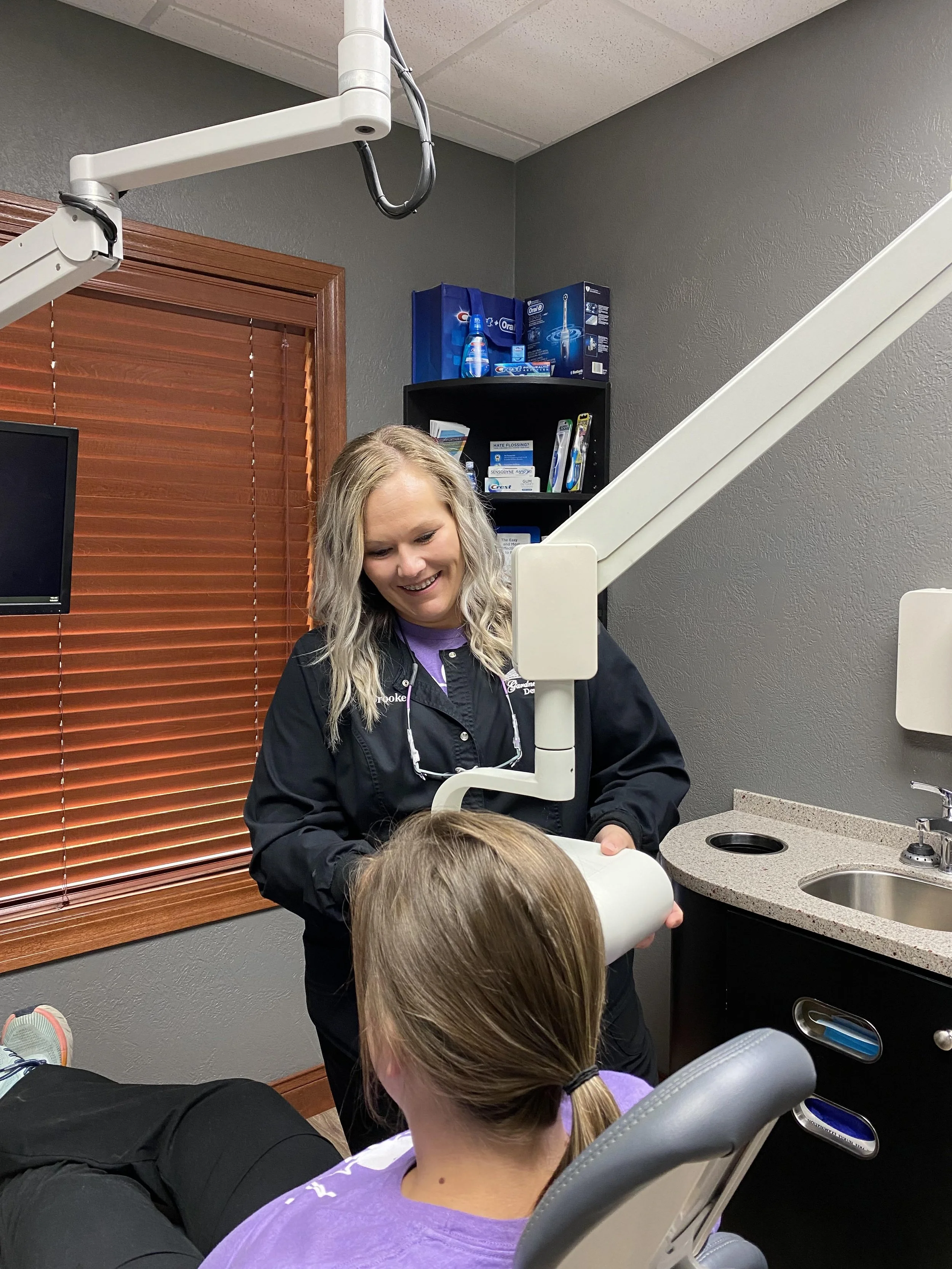
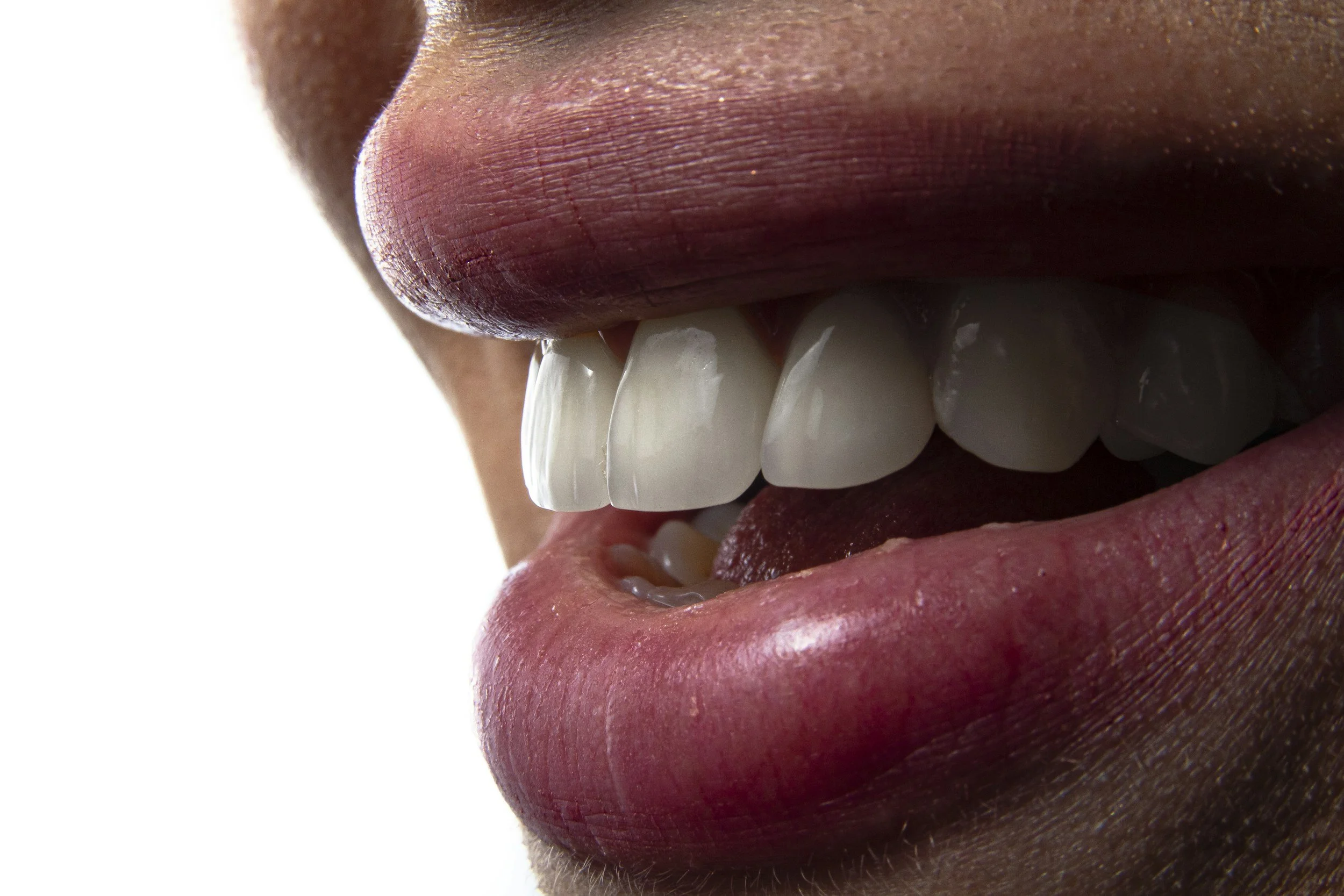
Implants are synthetic structures that are placed in the area of the tooth normally occupied by the root. Implants are anchored to the jawbone or metal framework on the bone and act as a foundation for an artificial tooth or permanent bridge. In some cases, implants can be used to attach dentures.
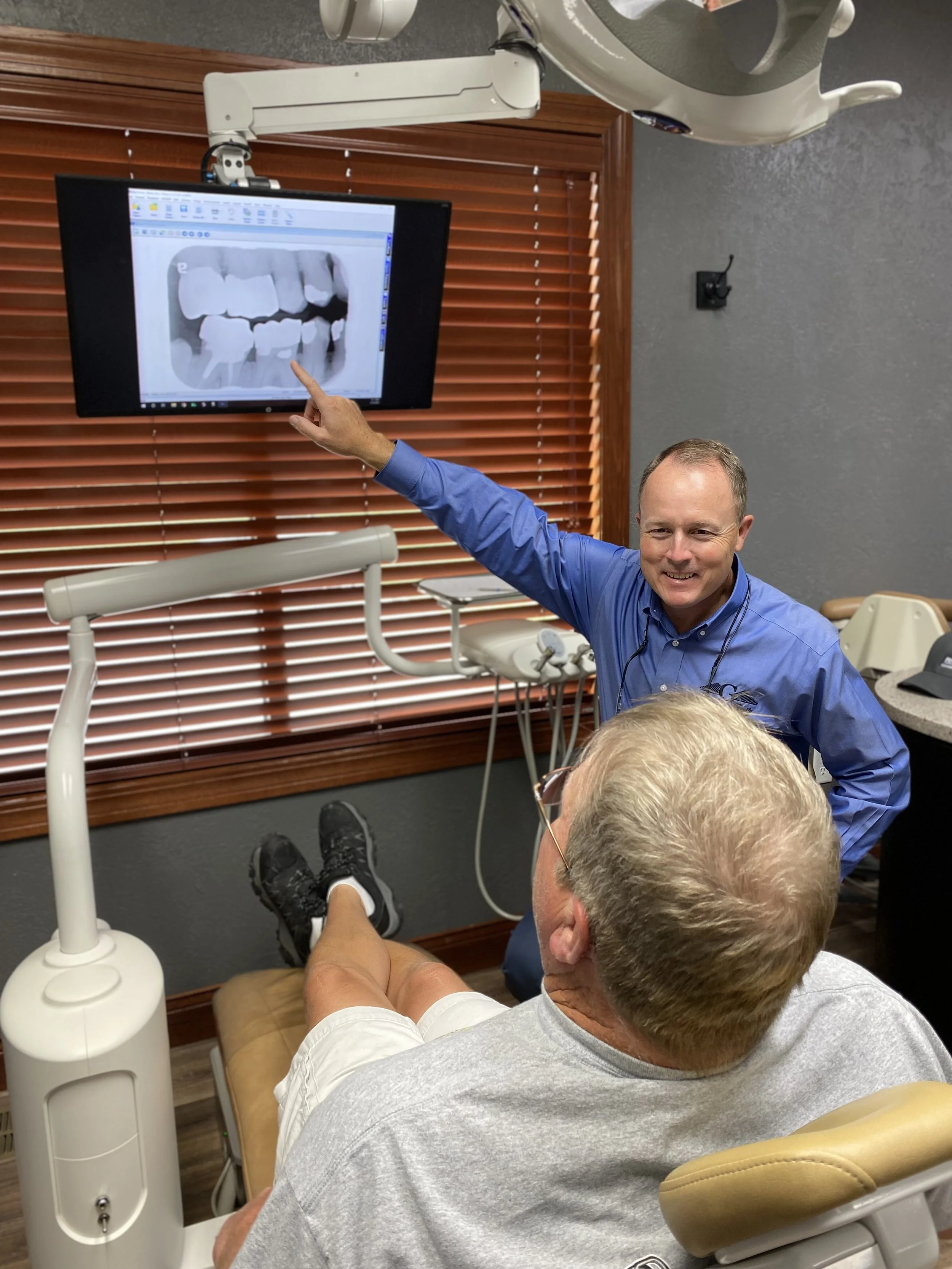
Crowns and Bridges
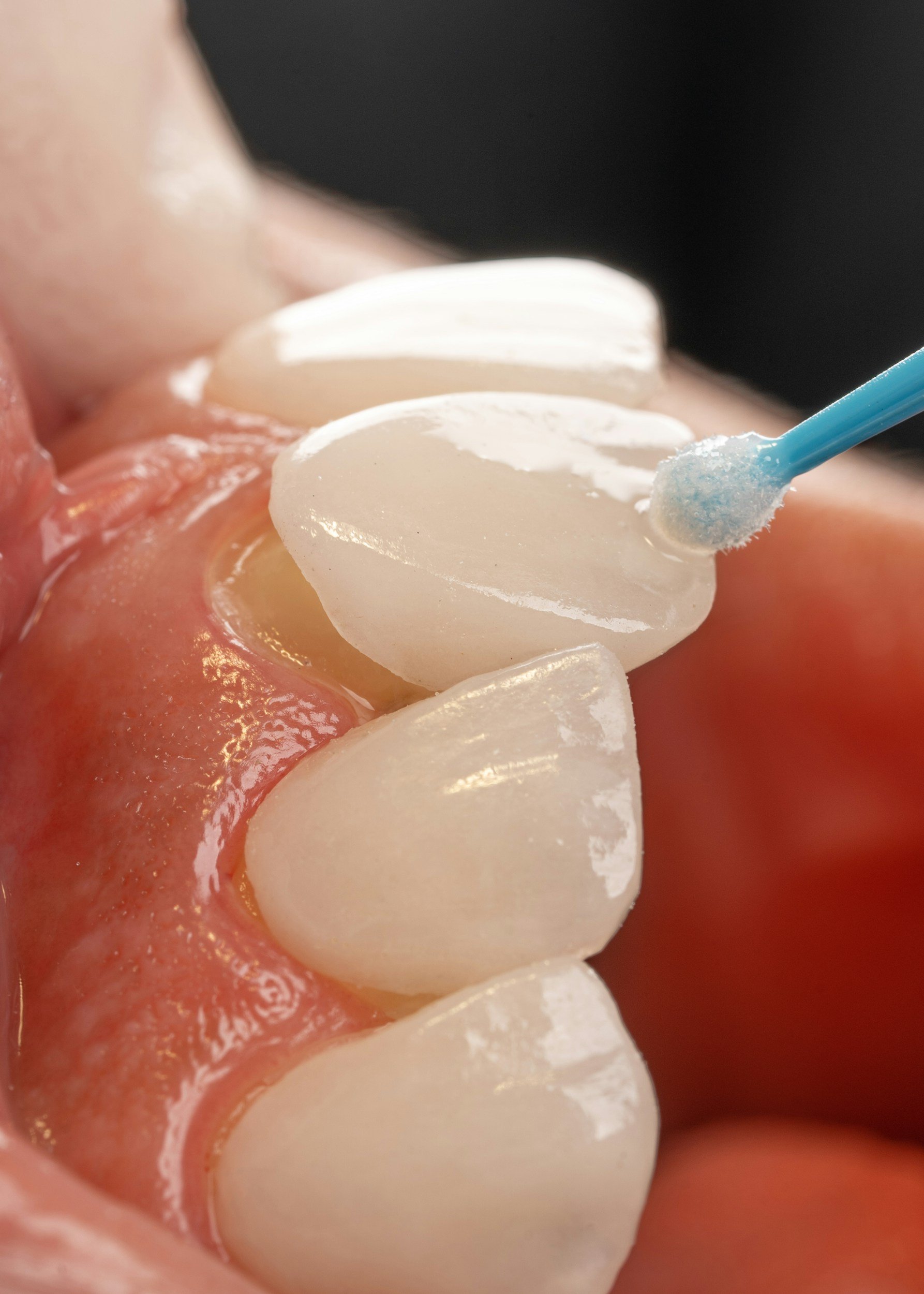
Crowns are synthetic caps, usually made of a material like porcelain, placed on the top of a tooth. Crowns are typically used to restore a tooth's function and appearance following a restorative procedure such as a root canal. When decay in a tooth has become so advanced that large portions of the tooth must be removed, crowns are often used to restore the tooth.

Teeth Whitening
Whitening procedures have effectively restored the smile of people with stained, dull, or discolored teeth.The darker tissue of your teeth, the dentin, can become exposed as the outer layer of enamel is worn away by the effects of aging or things like caffeine and tobacco.

Root Canal Therapy
Root canals are tiny passageways that branch off from beneath the top of the tooth, coursing their way vertically downward, until they reach the tip of the root.
Fluoride
For decades, fluoride has been held in high regard by the dental community as an important mineral that strengthens tooth enamel, which thereby helps to prevent decay of tooth structures. Water fluoridation is endorsed by nearly every major health and safety-related organization in the world. Communities

Toothaches
Simple toothaches can often be relieved by rinsing the mouth to clear it of debris and other matter. Sometimes, a toothache can be caused or aggravated by a piece of debris lodged between the tooth and another tooth. Avoid placing an aspirin between your tooth and gum to relieve pain, because the dissolving aspirin can actually harm your gum tissue.

Dental Emergencies
Our goal is to help you to minimize the risk of emergency treatment. This is why we commit a generous amount of time designing a Lifetime Treatment Plan that will help you to offset the possibility of unforeseen pain or tooth breakage.

Mouth Guards
Anyone who participates in a sport that carries a significant risk of injury should wear a mouth protector. Sports like basketball, baseball, gymnastics, and volleyball all pose risks to your gum tissues, as well as your teeth. We usually think of football and hockey as the most dangerous to the teeth, but nearly half of sports-related mouth injuries occur in basketball and baseball.
Abscessed Tooth
An abscessed tooth is a pocket of pus, usually caused by some kind of infection and the spread of bacteria from the root of the tooth to the tissue just below or near the tooth. In general, a tooth that has become abscessed is one whose underlying pulp (the tooth's soft core) has become infected or swollen.
Ridge Augmentation
If you lose one or more permanent teeth, an indentation may result in the gums and jawbone where the tooth used to be. When no longer holding a tooth in place, the jawbone recedes and the resulting indentation looks unnatural.

Women and Tooth Care
Women have special needs when it comes to their oral health. That’s because the physical changes they undergo through life—menstruation, pregnancy and childbirth, breast-feeding and menopause—cause many changes in the body, some harmful to teeth and gums.
What is Tooth Decay?
Plaque is an insidious substance—a colorless, sticky film—that blankets your teeth and creates an environment in which bacteria erode tooth enamel, cause gum irritation, infection in inner structures such as pulp and the roots, and in extreme cases, tooth loss.