
Extractions
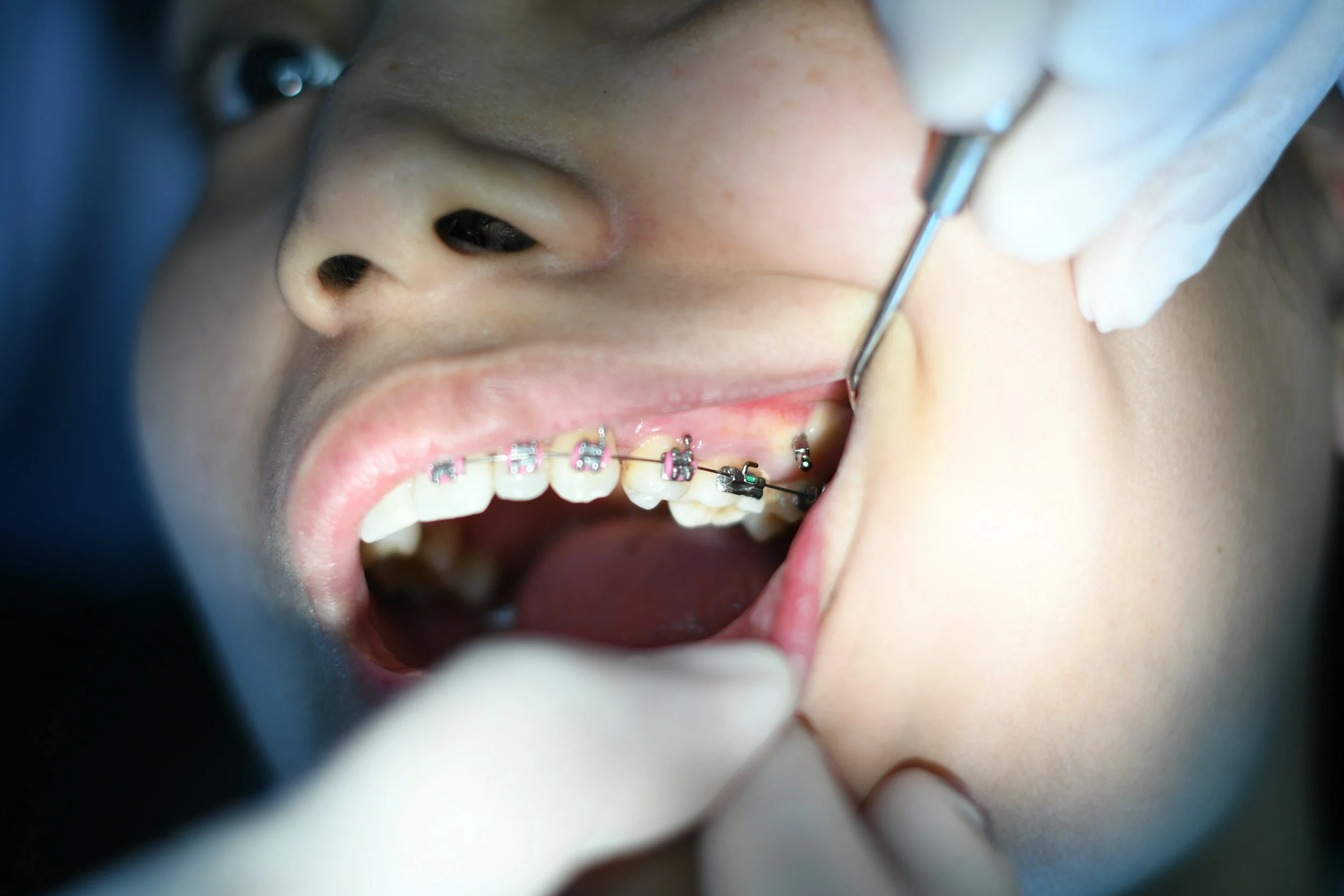
General Procedure When restoration procedures such as root canal therapy, crowns, or fillings are not enough to save a tooth, it may need to be pulled, or extracted. Tooth extraction procedures today are far less painful than ever before, thanks to powerful anesthetics and sedatives.
Missing Teeth
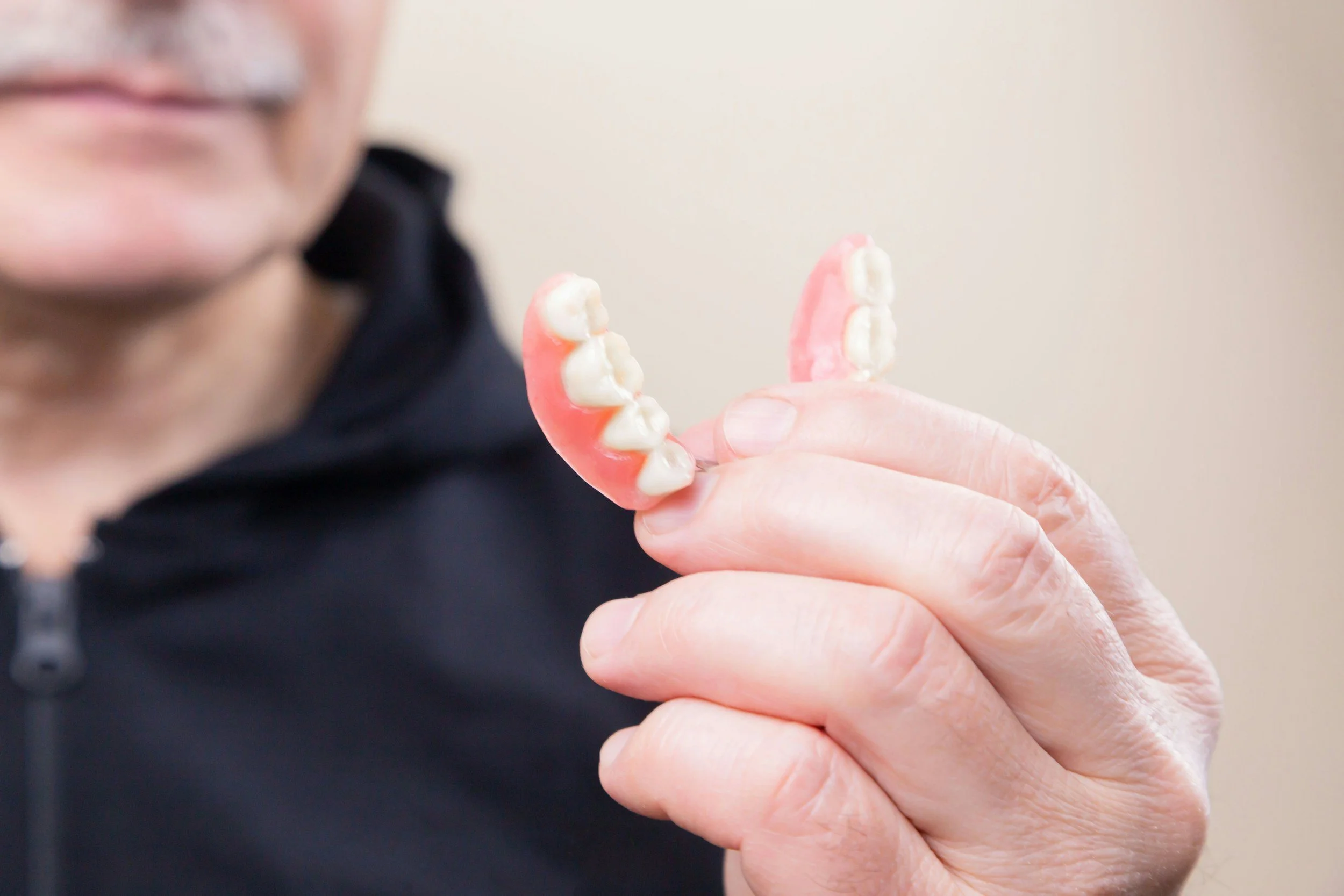
Fixed bridges and implants are often used to replace missing teeth and to correct some kinds of bite problems. Crowns and bridges are the most effective procedure for replacing missing teeth or bite problems.

Maxillofacial Surgery
When facial reconstruction, including procedures involving the oral cavity, is called for, a specialist is needed. Surgical procedures of the neck and head area are performed by a maxillofacial surgeon. Common maxillofacial procedures include denture-related procedures and jaw surgery.

Flap Surgery
Your bone and gum tissue should fit snugly around your teeth like a turtleneck. When you have periodontal disease, this supporting tissue and bone is destroyed, forming "pockets" around the teeth. Over time, these pockets become deeper, providing a larger space for bacteria to thrive and wreak havoc.

Scaling and Root Planing
Some cases of acute periodontal (gum) disease that do not respond to more conventional treatment and self-care such as flossing may require a special kind of cleaning called scaling and root planing. The procedure begins with administration of a local anesthetic to reduce any discomfort.
Bleaching
Bleaching and non-bleaching products are the two basic kinds of whitening products available today. Non-bleaching products normally use abrasives or chemicals and only remove surface stains on teeth. Bleaching products work with a chemical called peroxide and can brighten your teeth several shades.

Chipped, Cracked, and Worn Teeth
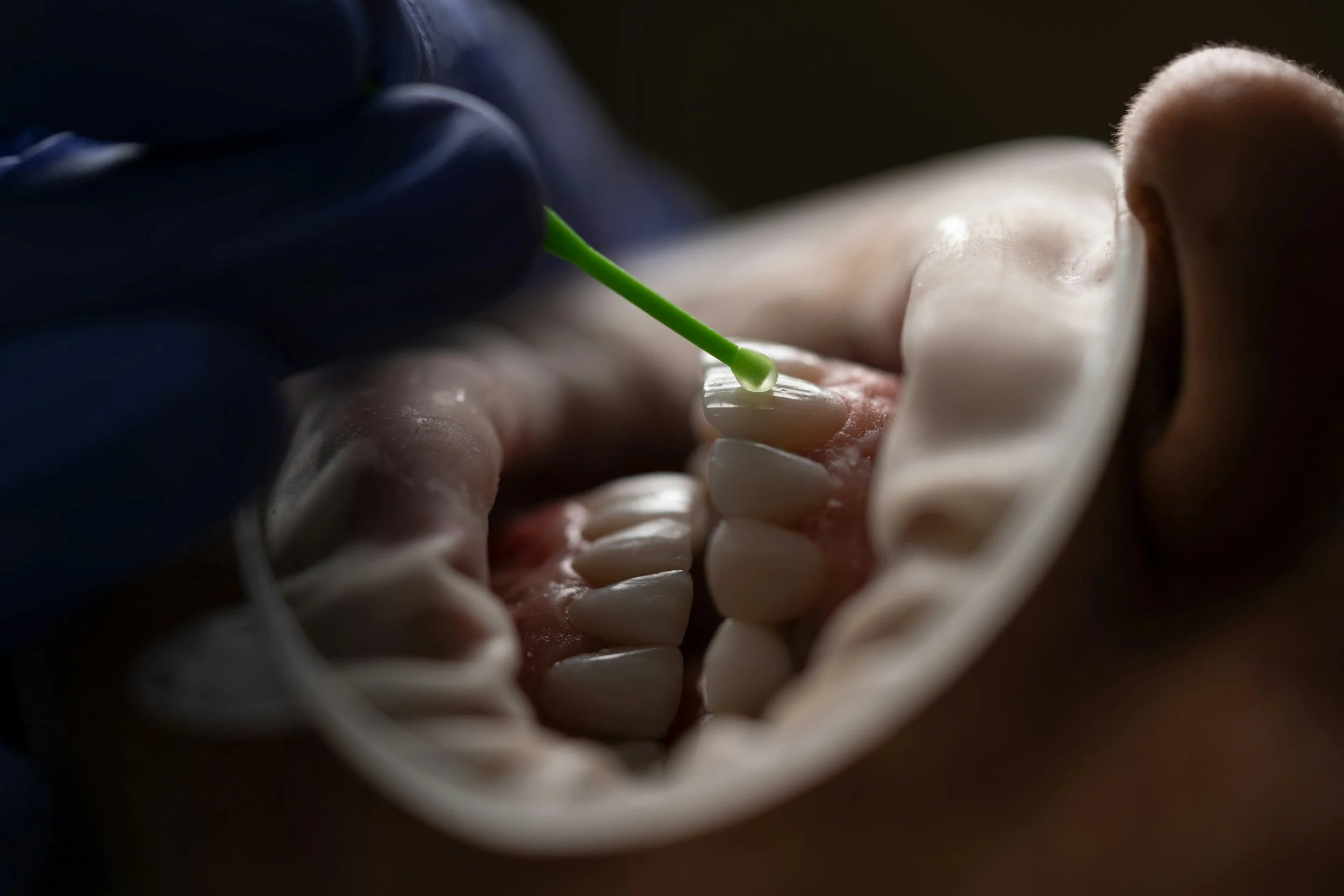
Special thin laminates, called veneers, can often be used to correct discolored, worn down, cracked and chipped teeth. Veneers can also be used to close unsightly gaps between teeth. Stronger types of veneers made of porcelain, also called composite veneers, typically last longer because they are bonded to the tooth.
Excessive or Uneven Gums
Many people inherit the problem of excessive or uneven gums. An aesthetic surgical procedure called a gum lift can be used to correct this problem.
Old and Unsightly Fillings
Newer kinds of fillings made from composite resins and porcelain can restore unsightly fillings; many people are surprised how natural these kinds of filling materials can make a tooth once covered by the old-fashioned silver amalgams.

Dental Grafts
Soft tissue grafts are sometimes performed to treat gum disease, or correct other abnormalities. The procedure involves taking gum tissue from the palate or another donor source to cover an exposed root in order to even the gum line and reduce sensitivity.
Implants
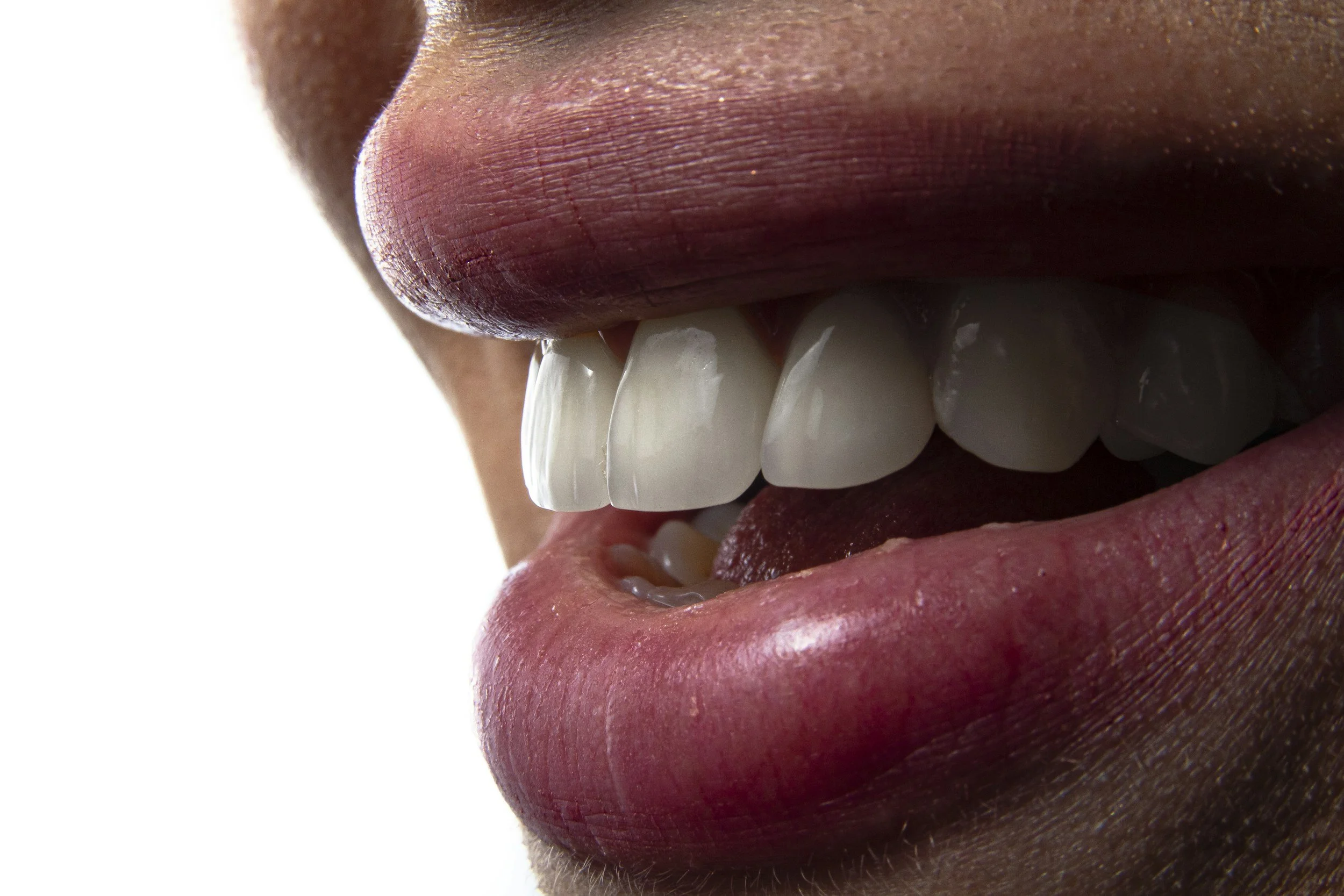
Implants are synthetic structures that are placed in the area of the tooth normally occupied by the root. Implants are anchored to the jawbone or metal framework on the bone and act as a foundation for an artificial tooth or permanent bridge. In some cases, implants can be used to attach dentures.
Crowns and Bridges
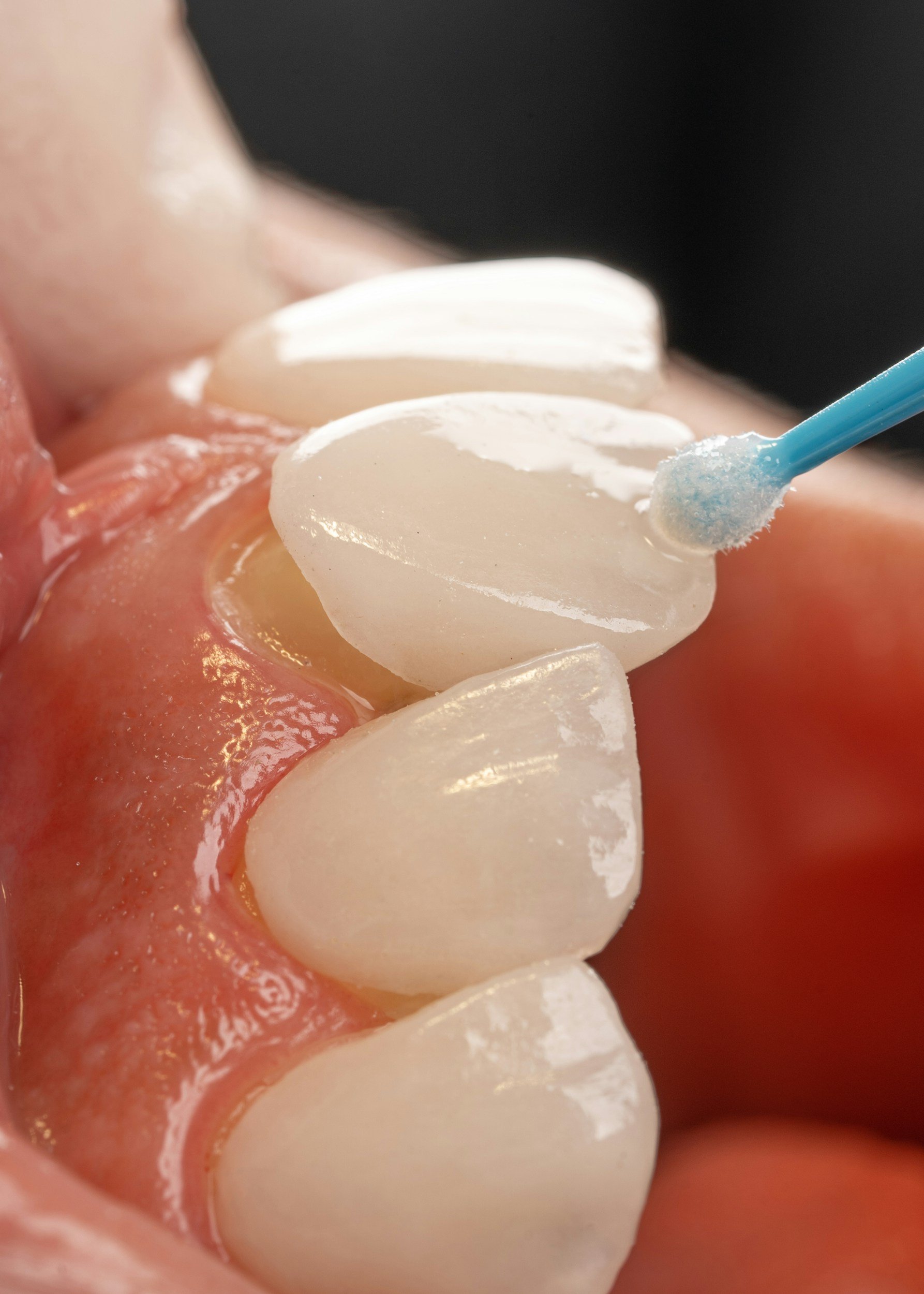
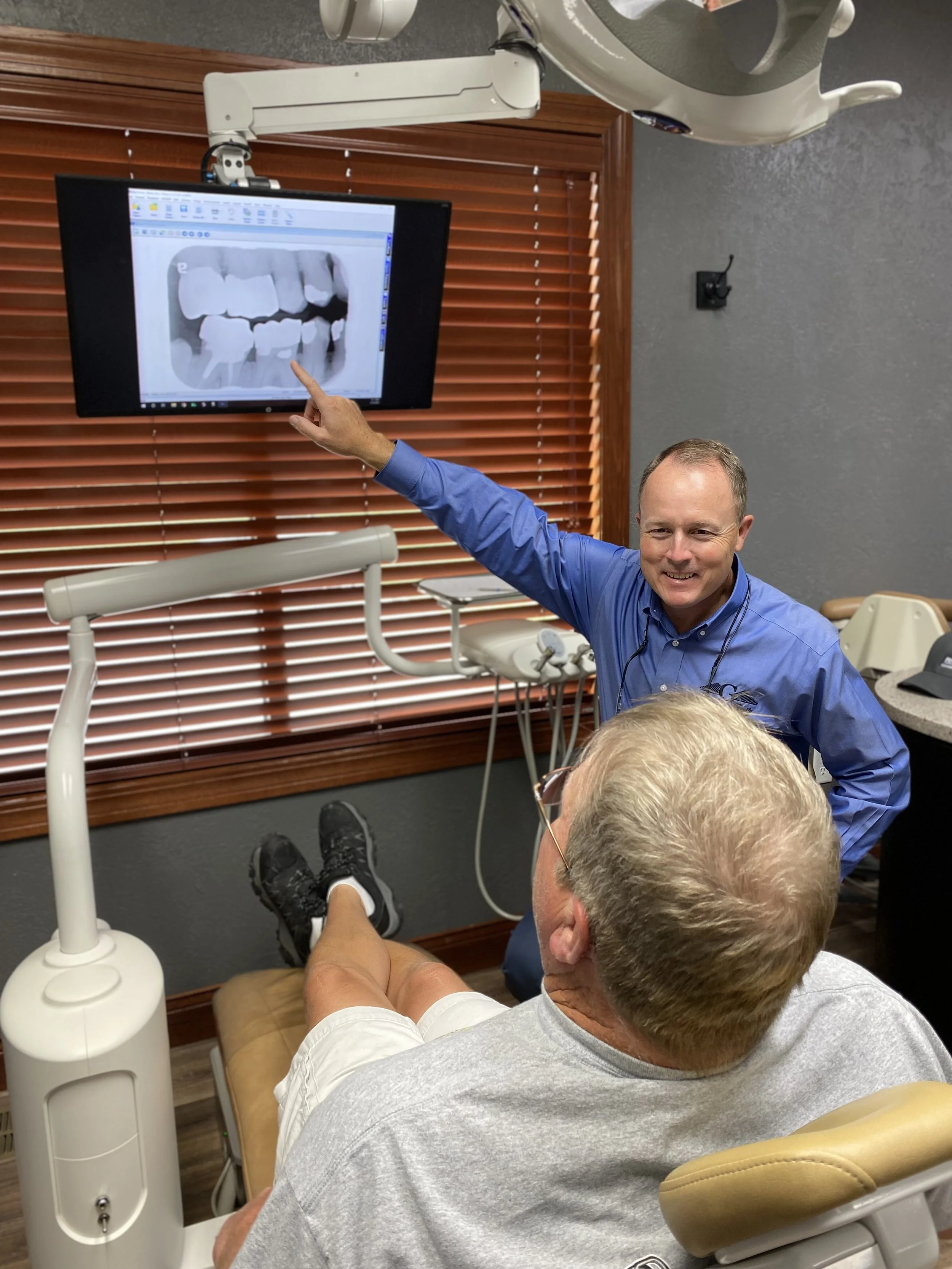
Crowns are synthetic caps, usually made of a material like porcelain, placed on the top of a tooth. Crowns are typically used to restore a tooth's function and appearance following a restorative procedure such as a root canal. When decay in a tooth has become so advanced that large portions of the tooth must be removed, crowns are often used to restore the tooth.

Teeth Whitening
Whitening procedures have effectively restored the smile of people with stained, dull, or discolored teeth.The darker tissue of your teeth, the dentin, can become exposed as the outer layer of enamel is worn away by the effects of aging or things like caffeine and tobacco.