

Bad Breath (halitosis)
An estimated sixty-five percent of Americans have bad breath. Over forty-million Americans have "chronic halitosis," which is persistent bad breath. Ninety percent of all halitosis is of oral, not systemic, origin. Americans spend more than $1 billion a year on over the counter halitosis products.
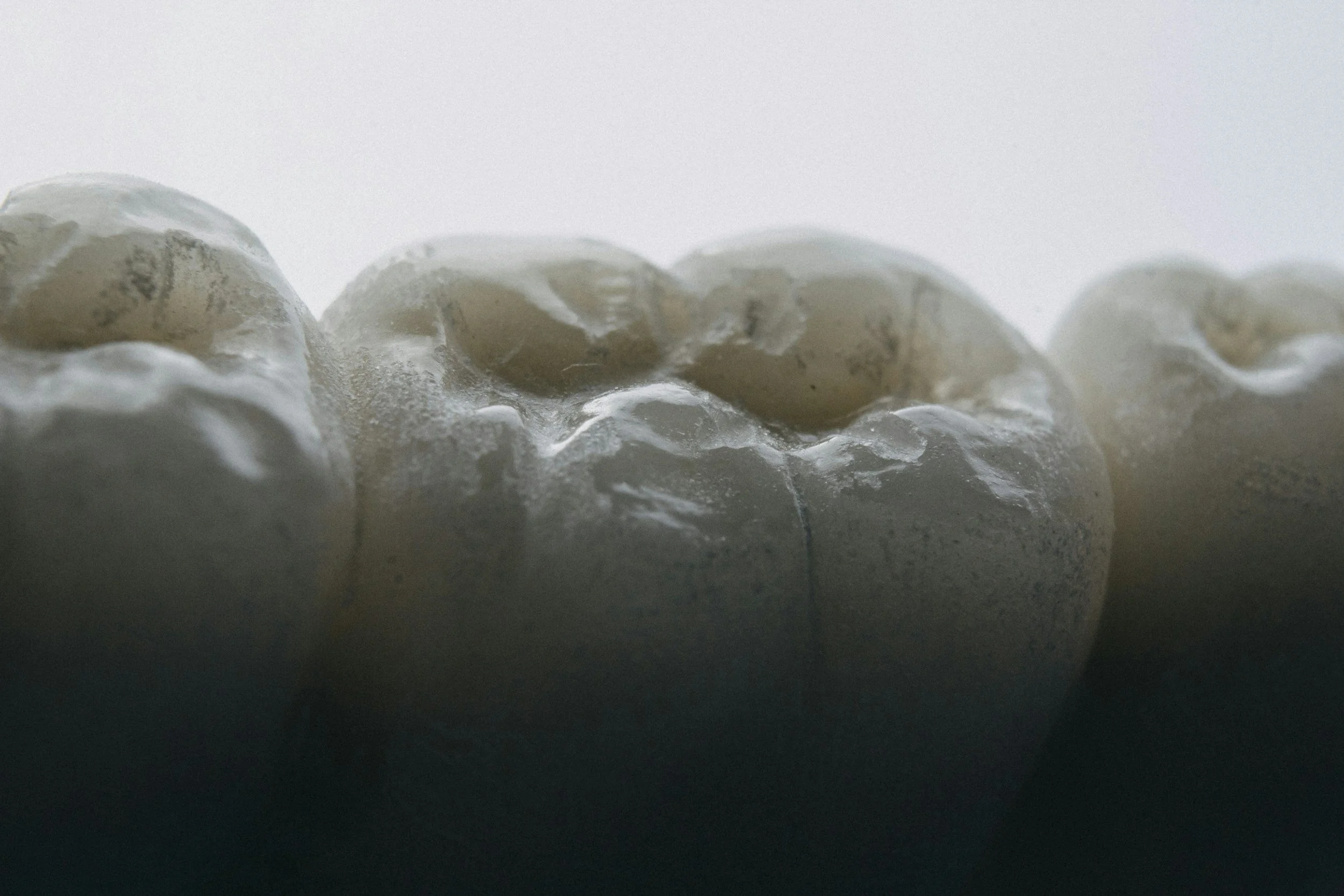
Cavities and Tooth Decay
What Is Tooth Decay? Tooth decay is caused by a variety of things; in medical terms, cavities are called caries, which are caused by long-term destructive forces acting on tooth structures such as enamel and the tooth's inner dentin material.
Canker Sores/Cold Sores
People sometimes confuse canker sores and cold sores, but they are completely unrelated. Both can be painful, but knowing the differences can help you keep them in check. A canker sore is typically one that occurs on the delicate tissues inside your mouth.
Bulimia Nervosa
People with eating disorders can suffer from oral health problems as well. This is because many of the behaviors associated with anorexia nervosa and bulimia nervosa—such as binge eating, self-induced vomiting, and use of diuretics or laxatives—cause changes in the mouth.
Fluorosis
Fluorosis is a condition in which your body has been exposed to too much fluoride. In normal doses (typically found in a safe drinking water system and an ADA-approved toothpaste), fluoride is a healthy compound that promotes strong teeth, which has the ability to fight cavities and other problems.
Oral Cancer
Oral cancer is one of the most common cancers today and has one of the lowest survival rates, with thousands of new cases being reported each year. Fewer than half of all people diagnosed with oral cancer are ever cured. Moreover, people with many forms of cancer can develop complications.
Lacerations and Cuts
Any kind of cut to your face and the delicate soft tissues inside your mouth should be addressed immediately in order to prevent further tissue damage and infection.
If a traumatic injury involves a broken facial bone such as the jaw, nose, chin or cheek, maxillofacial surgery may be required.
Jaw Disorders
People who grind their teeth can sometimes develop a serious problem with their jaw, which left untreated, can adversely affect the teeth, gums and bone structures of the mouth. One of the most common jaw disorders is related to a problem with the temporomandibular joint, the joint that connects your lower jaw to your skull, and allows your upper and lower jaw to open and close and facilitates chewing and speaking.
Gum Disease (Gingivitis)
Gingivitis is the medical term for early gum disease, or periodontal disease. In general, gum disease can be caused by long-term exposure to plaque, the sticky but colorless film on teeth that forms after eating or sleeping. Gum disease originates in the gums, where infections form from harmful bacteria.
Teeth Grinding (Bruxism)
Teeth grinding, also called bruxism, is often viewed as a harmless, though annoying, habit. Some people develop bruxism from an inability to deal with stress or anxiety. However, teeth grinding can literally transform your bite relationship and worse, severely damage your teeth and jaws over long periods of time.
Sensitive Teeth
If you wince with pain after sipping a hot cup of coffee or chewing a piece of ice, chances are that you suffer from "dentin hypersensitivity," or more commonly, sensitive teeth. Hot and cold temperature changes cause your teeth to expand and contract.
Plaque
Plaque is a film of bacteria that forms on your teeth and gums after eating foods that produce acids. These foods may include carbohydrates (starches and sugars), such as candy and cookies, and starchy foods such as bread, crackers, and cereal. Tooth decay, commonly known as cavities, occurs when plaque remains on your teeth for an extended period of time, allowing the bacteria to ‘eat away’ at the surfaces of your teeth and gums.

Toothaches
Simple toothaches can often be relieved by rinsing the mouth to clear it of debris and other matter. Sometimes, a toothache can be caused or aggravated by a piece of debris lodged between the tooth and another tooth. Avoid placing an aspirin between your tooth and gum to relieve pain, because the dissolving aspirin can actually harm your gum tissue.
Abscessed Tooth
An abscessed tooth is a pocket of pus, usually caused by some kind of infection and the spread of bacteria from the root of the tooth to the tissue just below or near the tooth. In general, a tooth that has become abscessed is one whose underlying pulp (the tooth's soft core) has become infected or swollen.
What is Tooth Decay?
Plaque is an insidious substance—a colorless, sticky film—that blankets your teeth and creates an environment in which bacteria erode tooth enamel, cause gum irritation, infection in inner structures such as pulp and the roots, and in extreme cases, tooth loss.