
Age and Oral Health
Oral changes with age Is tooth loss inevitable in your later years? How much should adults be concerned about cavities? Here you will find helpful answers to some frequently asked questions about oral health questions you may have as you get older.

Fluoride
For decades, fluoride has been held in high regard by the dental community as an important mineral that strengthens tooth enamel, which thereby helps to prevent decay of tooth structures. Water fluoridation is endorsed by nearly every major health and safety-related organization in the world.
Infection Control
Standards and Best Practice With all of the increased media attention on infection outbreaks such as AIDS and multi-drug resistant strains of viruses, it's no wonder people have heightened concerns about infection control during a medical procedure.
General Dentistry
The first line of defense against oral health problems In general dentistry, the dentist is the primary care provider for patients of all ages and is responsible for the prevention, diagnosis and treatment of a wide variety of conditions, disorders and diseases affecting the teeth, gums and maxillofacial.
Oral Piercing
Oral piercings (usually in the tongue or around the lips) have quickly become a popular trend in today’s society. With this popular trend, it is important to realize that sometimes even precautions taken during the installation of the piercing jewelry are not enough to stave off harm.

Medication and Heart Disease
Certain kinds of medications can have an adverse effect on your teeth. Long ago, children exposed to tetracycline developed tooth problems, including discoloration, later in life. The medication fell out of use, however, and is not an issue today.
Latex Allergy
Naturally occurring latex has been linked in recent years to allergic reactions in people who use such products as latex gloves. The proteins in the latex, which can also become airborne, can cause problems in vulnerable people such as breathing problems and contact dermatitis.

Tobacco
Dentistry health care that works: tobacco The American Dental Association has long been a leader in the battle against tobacco-related disease, working to educate the public about the dangers inherent in tobacco use and encouraging dentists to help their patients break the cycle of addiction.
The Preventive Program
Both natural teeth and teeth with restorations survive best in an oral environment that is clean and where the intake of harmful foods is controlled. Our program is designed to help prevent new cavities, preserve teeth that have been restored and manage periodontal disease.
Denture Care
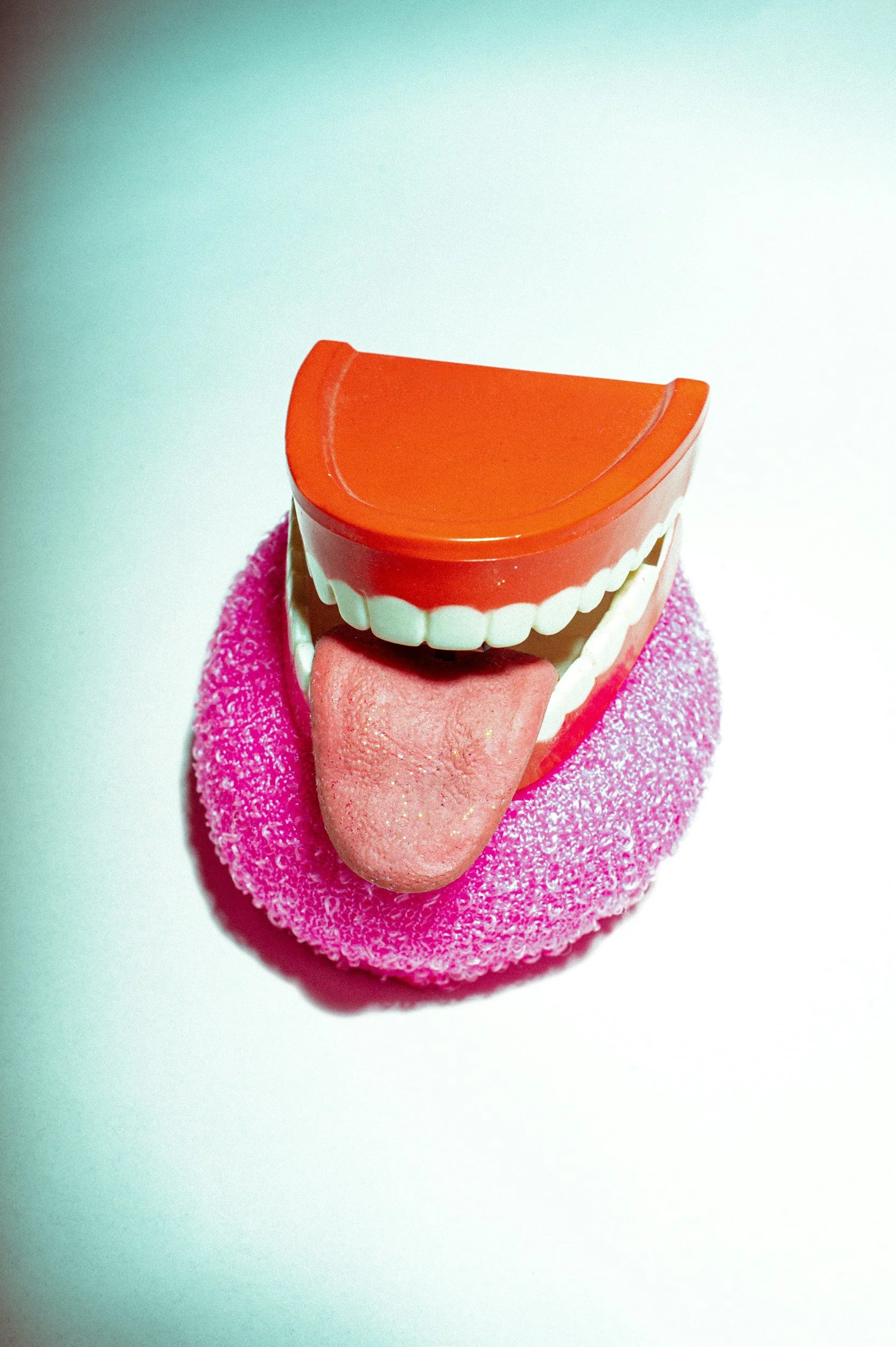
Dentures today are made from very advanced materials designed to give you a natural appearance. However, keep in mind that just like your teeth, dentures should be cared for with the same diligence. This means daily brushing and regular visits to your dentist.

Fluoride Facts
For decades, fluoride has been held in high regard by the dental community as an important mineral that is absorbed into and strengthens tooth enamel, thereby helping to prevent decay of tooth structures. In nearly every U.S. community, public drinking supplies are supplemented with sodium fluoride.

Prevention Tips for Children
Infants Infants should be seen by our office after the first six months of age, and at least by the child's first birthday. By this time, the baby's first teeth, or primary teeth, are beginning to erupt and it is a critical time to spot any problems before they become big concerns.
Periodontal Exams
Periodontal exams are vital in the maintenance of your oral health as they are used to assess the health of your gums and teeth. They can help your dentist diagnose gum diseases, gingivitis and periodontitis. These exams can also reveal receding gums, exposed roots, tooth grinding and other problems.

Nutrition and Your Teeth
It has long been known that good nutrition and a well-balanced diet is one of the best defenses for your oral health. Providing your body with the right amounts of vitamins and minerals helps your teeth and gums—as well as your immune system—stay strong and ward off infection, decay and disease.
Mouth Rinses
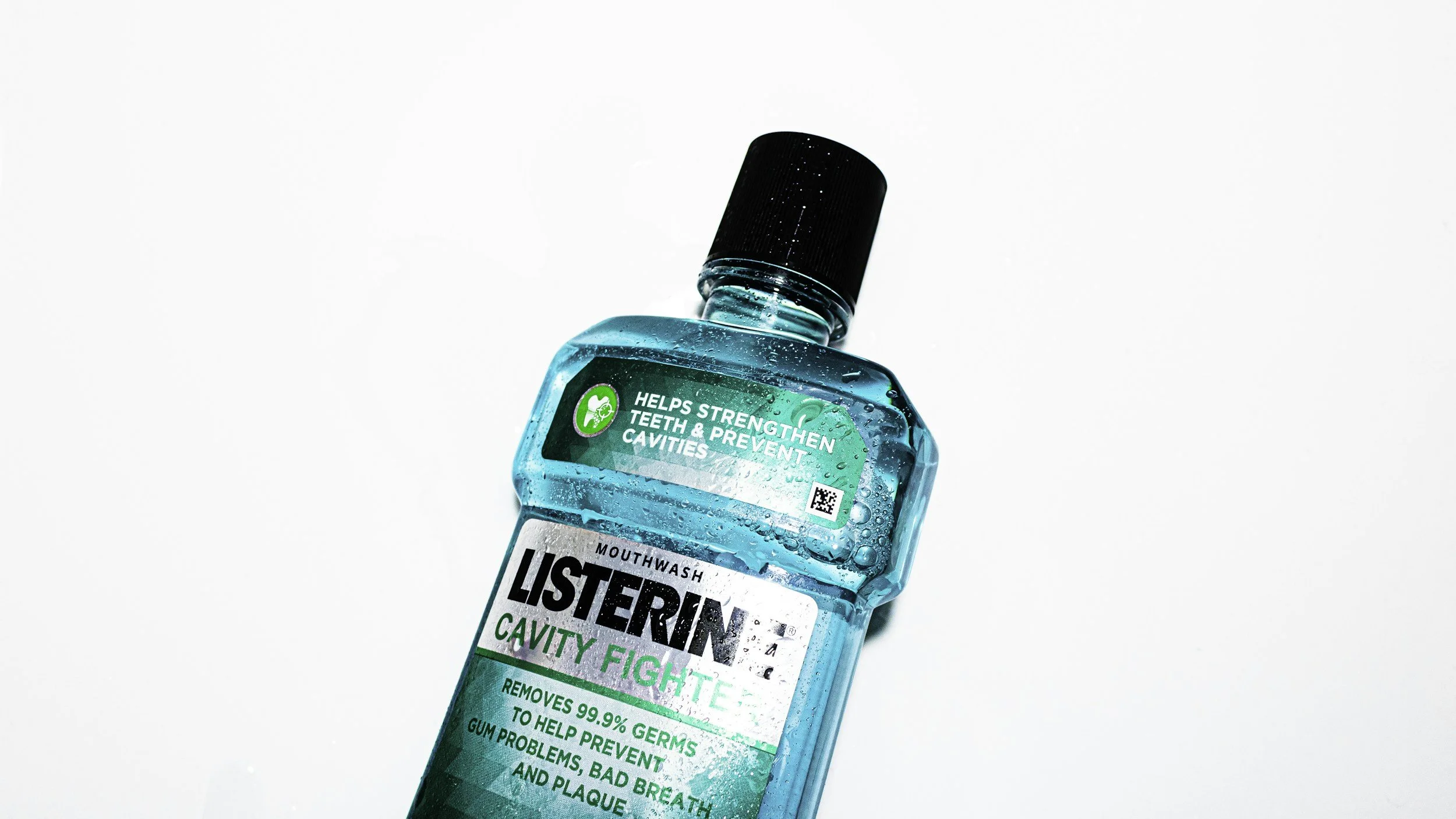
The Food and Drug Administration classifies mouth rinses into two categories - therapeutic and cosmetic. In general, therapeutic rinses with fluoride have been shown to actually fight cavities, plaque and gingivitis. On the other hand, cosmetic rinses merely treat breath odor, reduce bacteria.

Seniors and Oral Health
More and more people are avoiding the need for dentures as they grow older, going against the notion that false teeth are a normal part of growing older. In fact, there's usually no reason for you NOT to keep your teeth your entire life, providing you maintain a healthy balanced diet.
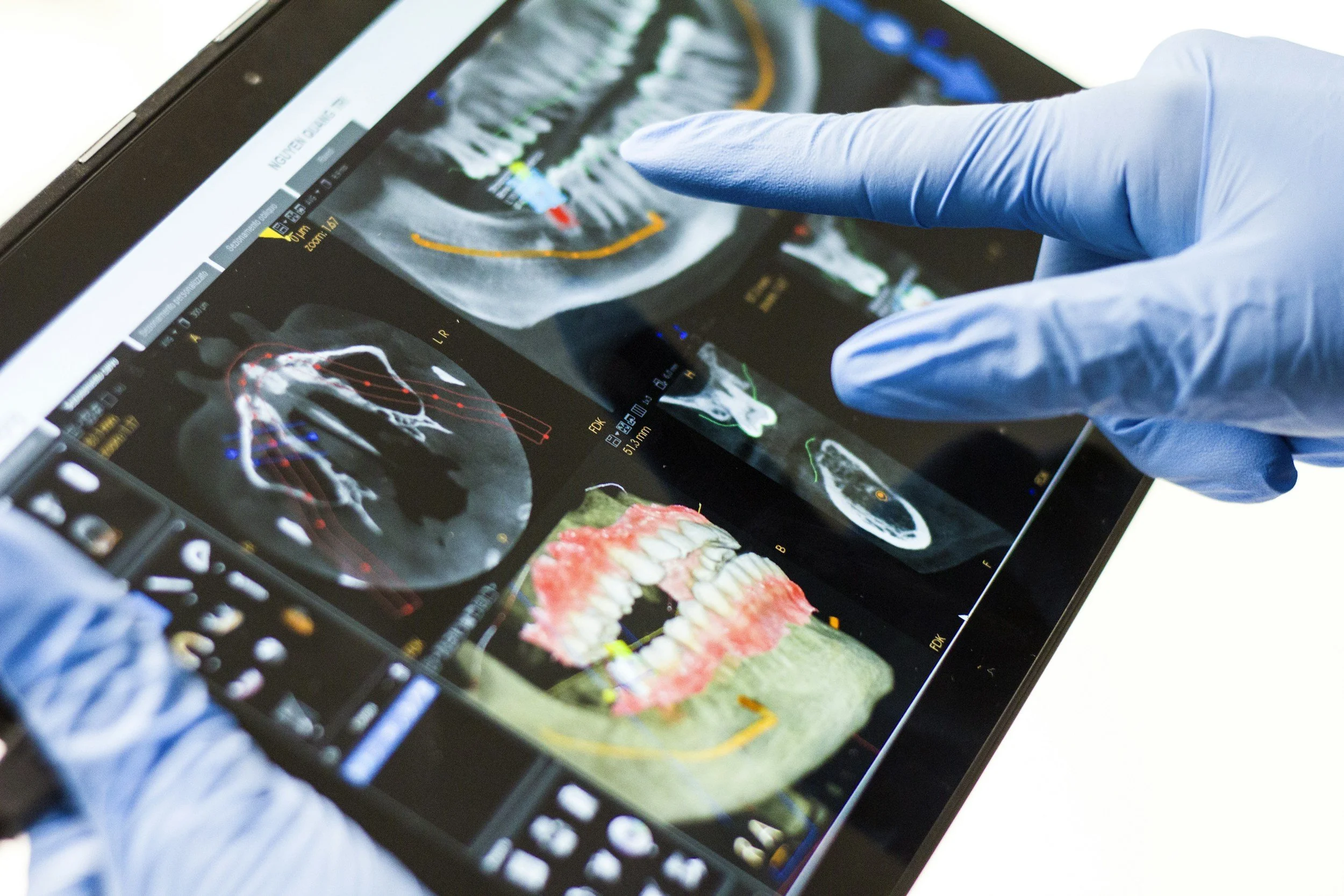
X-Rays and 3D Imaging
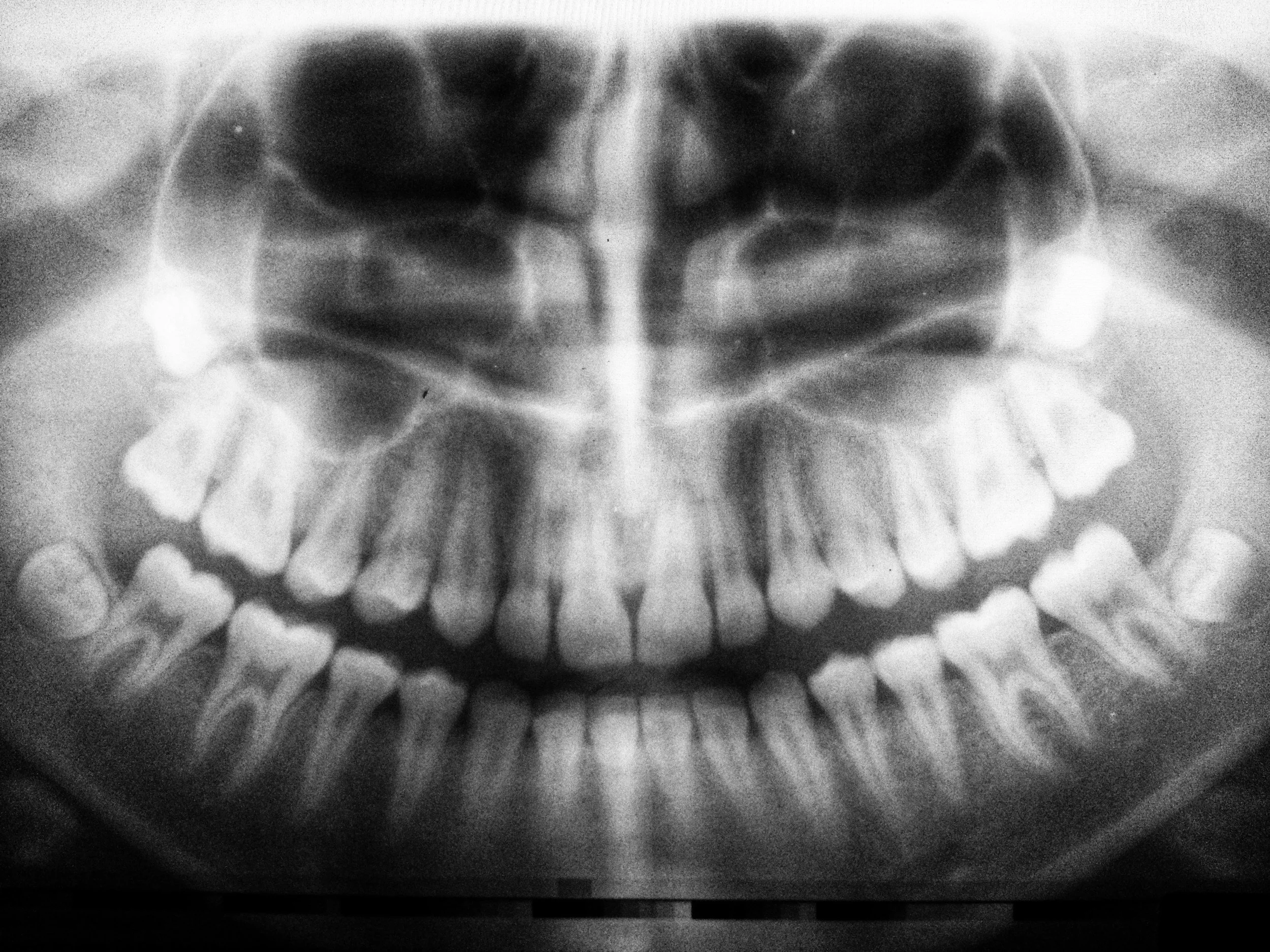
When X-rays pass through your mouth during a dental exam, more X-rays are absorbed by the denser parts (such as teeth and bone) than by soft tissues (such as cheeks and gums) before striking the film. This creates an image on the radiograph. Teeth appear lighter because fewer X-rays penetrate